Kinetic Typography in Digital Communication
Dynamic Typography Techniques
Motion-Driven Visual Communication
Text Animation Trends

Mihail Mansilla
Senior Animator 2D/3D
⊹
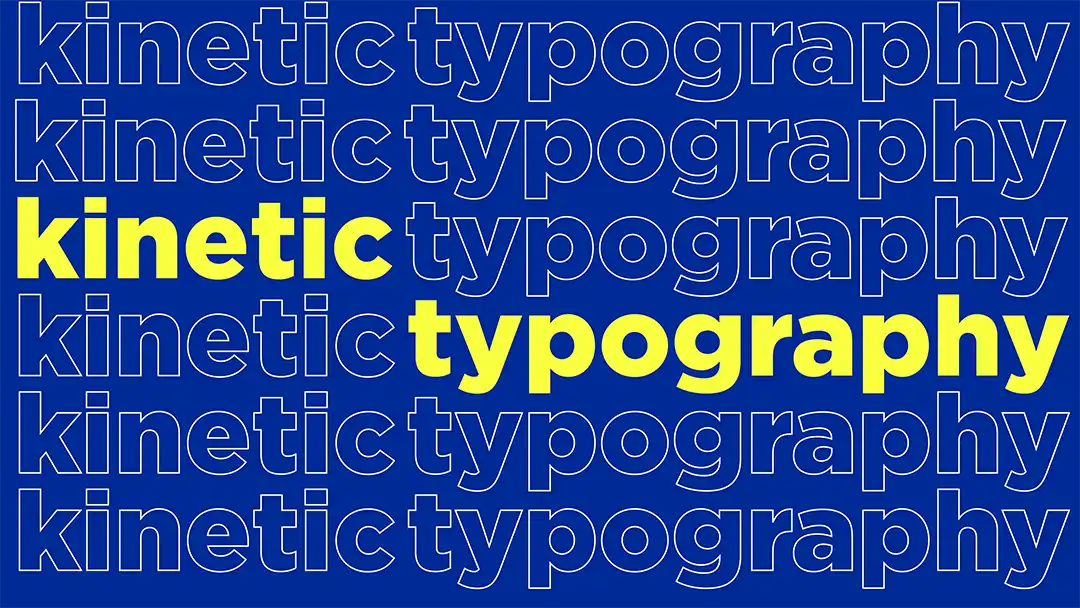
Kinetic typography has become one of the most expressive tools in modern digital communication. By animating type through motion, timing, and rhythm, designers can transform simple text into an engaging narrative device—one that captures attention, conveys emotion, and strengthens message retention.
This approach is now present across websites, advertising, explainer videos, brand storytelling, and social media content. When executed with intention, animated text becomes more than decoration: it becomes a visual voice.
Why Kinetic Typography Matters Today
In a world of shrinking attention spans and dense content streams, motion-based text helps brands and creators communicate more effectively.
It supports three core goals:
Clarifying ideas: Turns complex or abstract messages into intuitive visual moments.
Guiding attention: Directs where the viewer should look, one word or phrase at a time.
Building emotion: Timing, scale, and movement influence tone—calm, urgent, playful, or dramatic.
As designer Paula Scher once said: “Words have meaning and type has spirit.”
Kinetic typography amplifies that spirit through movement.
Two Key Forms of Kinetic Typography
1. Motion-Based Typography
Text moves through space—sliding, rotating, expanding, collapsing, or flowing.
Common applications include:
Social media ads
YouTube intros
Brand manifesto videos
Storytelling sequences
Campaign messaging
This form uses movement to create rhythm, pacing, and emotional emphasis.
2. Time-Based Typography
Focuses on synchronizing text with audio, beats, or voiceovers.
This is widely used in:
Music lyric videos
Educational explainers
Documentary-style storytelling
Presentations with narration
Here, the animation becomes part of the message’s timing—revealing ideas at the perfect moment.
Where Kinetic Typography Creates Impact
Branding & Identity
Brands integrate animated type into their visual systems to create a recognizable motion style.
Examples include animated taglines, logo sequences, and dynamic principles that reinforce voice and personality.
Web & Digital Products
Kinetic typography on websites and apps helps:
Highlight key messages
Guide user flow
Improve scannability
Reinforce hierarchy
Tools like Framer and richer prototyping environments allow designers to deploy type-led animations directly into interactive experiences.
Advertising & Social Media
Short-form content relies heavily on bold, fast-paced typography to:
Capture attention in the first seconds
Compress information
Create memorable hooks
This helps messages stand out in fast-scrolling environments.
Educational & Informational Content
Animated text is highly effective in teaching:
Abstract concepts
Step-by-step instructions
Processes and frameworks
Motion becomes a cognitive aid, improving absorption and clarity.
Best Practices for Effective Kinetic Typography
1. Start With Intent
Define what the animation is meant to do:
Emphasize?
Guide?
Explain?
Add emotion?
Motion without purpose becomes noise.
2. Maintain Readability
Even the most expressive animation must preserve clarity.
Keep these guidelines in mind:
Avoid excessive distortion
Use adequate timing
Respect text hierarchy
Test at multiple screen sizes
3. Use Typography as the Main Character
Let type carry the visual weight.
Color, spacing, and movement should support the message—not distract from it.
4. Follow a Rhythm
Good kinetic typography feels musical.
Patterns, beats, acceleration, and pauses help create an internal logic that viewers intuitively understand.
5. Align Motion With Brand Personality
Motion should reflect tone:
Minimalist brands → subtle, smooth transitions
Energetic brands → bold, dynamic movements
Elegant brands → flowing, refined easing curves
Consistency turns motion into identity.
The Growing Future of Animated Text
As digital communication becomes increasingly visual, motion-based typography continues to expand across platforms.
With tools becoming more accessible and motion literacy rising across industries, kinetic typography is evolving from a stylistic choice into a communication standard.
Whether expressing emotion, enhancing clarity, or elevating storytelling, animated type strengthens how messages are perceived and remembered.
It is not simply about making text move—it’s about letting words speak louder through motion.
Share This Article