Designing for Tomorrow
Modular & Procedural Design
Future-Oriented Design Systems

Mihail Mansilla
Senior Animator 2D/3D
⊹
How Future-Oriented Design Strengthens Creative Control and Adaptability
Modular, procedural, and parametric thinking transform the way design is approached. These methods encourage working from the future backward—anticipating needs, planning for repetition, and building systems that remain flexible long after a project begins. They bring structure and foresight to creative work, enabling processes that evolve instead of collapsing under change.
Thinking Beyond the Present
Programming, procedural methods, and parametric design share a core principle: intentional anticipation. Designers who adopt these approaches don’t build only for immediate needs—they anticipate what will change, what must remain adjustable, and what should never require rebuilding from scratch.
Even advanced AI struggles to replicate this depth of foresight. While AI can generate content, it cannot intuitively understand evolving requirements or the nuanced decision-making that defines a creative process.
Tools That Amplify Modular Thinking
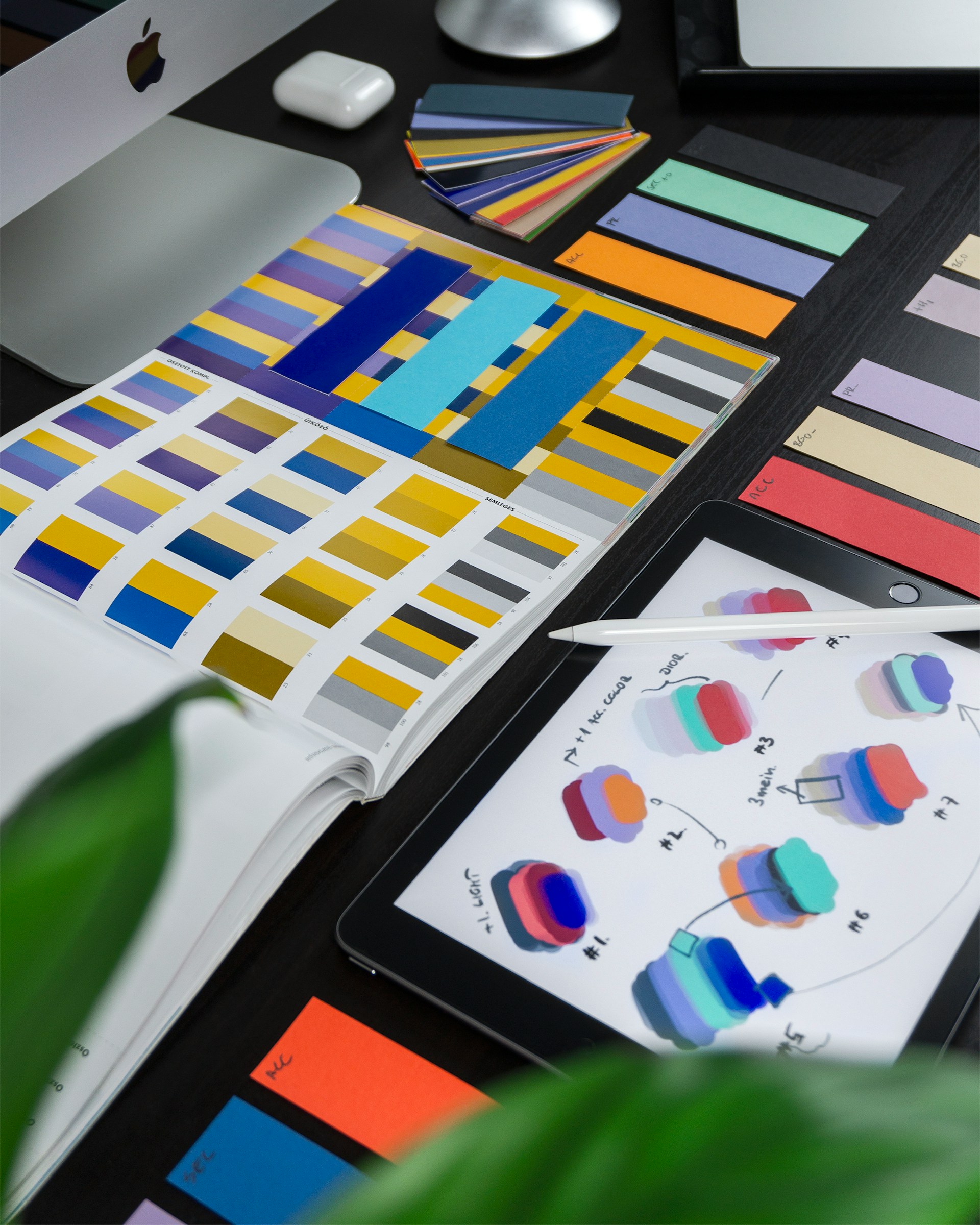
Modern design tools are built to support modularity, non-destructive workflows, and reusability. Examples include:
Illustrator’s Appearance panel
Photoshop Smart Objects
After Effects precompositions
InDesign character and paragraph styles
Figma components
These systems exist to centralize control, maintain consistency, and allow for global modifications without dismantling the structure of a design. Even when scalability isn’t a requirement, such organization remains a major practical advantage.
Building with Intention and Structure
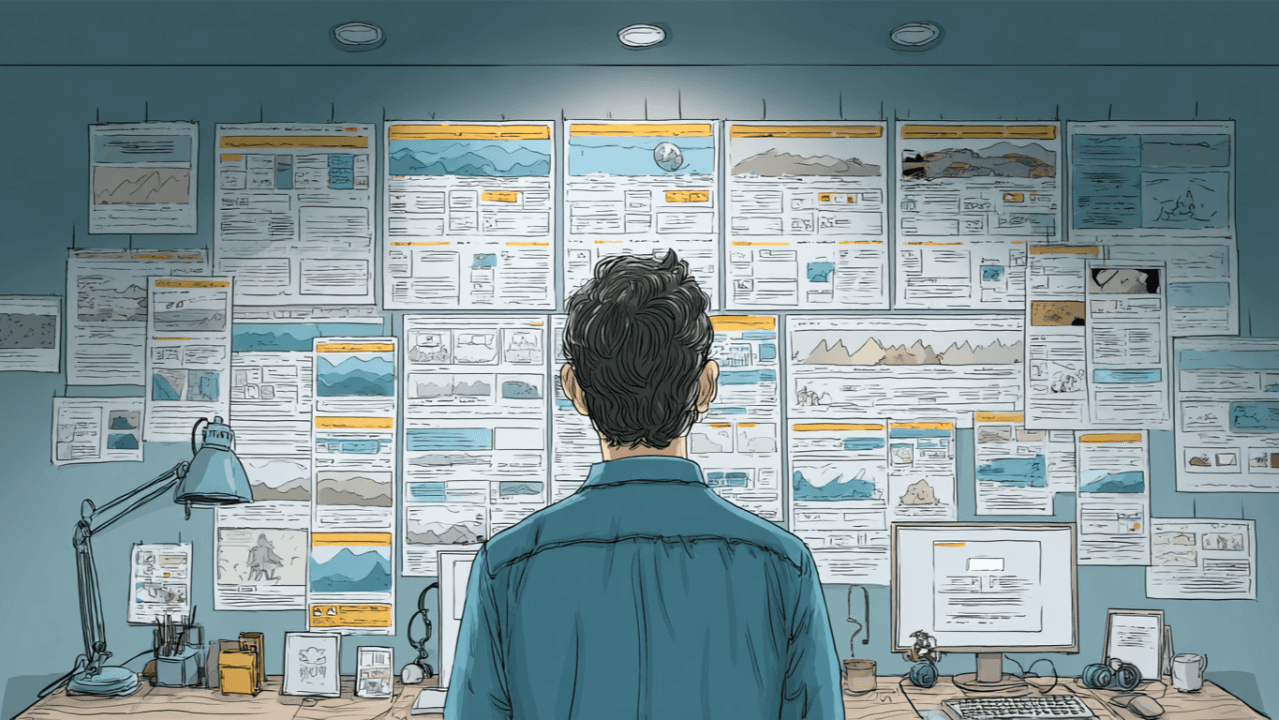
Working with modular and parametric systems resembles constructing a building with clear architectural plans. Every element is defined, interconnected, and thoughtfully placed. When adjustments become necessary, the designer knows exactly where to make them and how those changes will propagate through the project.
Good design balances creativity with structure—where art and logic coexist to support long-term adaptability.
This balance reduces chaos, prevents redundancy, and provides a stable framework for experimentation.
Why Parametric Thinking Matters
In professional production environments, procedural and parametric methods offer well-recognized technical advantages:
Flexibility and Adaptability
Rules define relationships between components. Adjusting a single parameter updates the entire system coherently.
Speed and Efficiency
Workflows become significantly faster, as large areas of a project no longer need manual rebuilding—only parameter adjustments.
Complex Geometries Made Feasible
Organic shapes, nonlinear forms, and controlled variations are easier to produce without sculpting or altering every detail manually.
Non-Destructive, Reusable Systems
A procedural approach supports variation, iteration, and repurposing across multiple projects.
Consistency and Precision
Establishing constraints from the beginning ensures coherence across outputs and reduces errors.
Impact on Modern Creative Workflows
Across studios, agencies, and production teams, modular and parametric thinking establishes a foundation that supports scalability and long-term maintainability. This approach enables faster responses to:
Changing concepts
Client feedback
Script revisions
Platform or format requirements
Technical shifts during production
It shifts creative work from reactive improvisation to structured evolution supported by robust systems.
Designing with Vision
Ultimately, the strength of modular, procedural, and parametric thinking lies in the ability to build with foresight. It is not only about producing a design for today, but establishing systems that remain relevant tomorrow and far into the future.
This mindset forms the basis of resilient design—a balance of creativity, structure, flexibility, and discipline.
Share This Article