Texture Hunting: Explore to get inspired
Inspiration
Creativity
Design Process

Bárbara Condemarín
Art Director
⊹
To keep creativity alive, play is essential. It sounds simple, almost obvious, yet it’s something we often forget as adults. We get wrapped up in deadlines, expectations, and the pressure to produce something “good,” and in the process we lose the curiosity and freedom that fuel creative work. Letting go of perfect results and allowing yourself to try something without a clear purpose can be surprisingly liberating. It opens a small but powerful space where ideas can breathe again.
One thing that has helped me personally is changing my environment. And no—this doesn’t require a plane ticket or a weekend getaway. Sometimes all it takes is stepping outside your usual routine: taking a walk in the park, sitting in a different café, or simply noticing the details around you that you normally overlook. When you shift your surroundings, even slightly, your mind shifts with them.
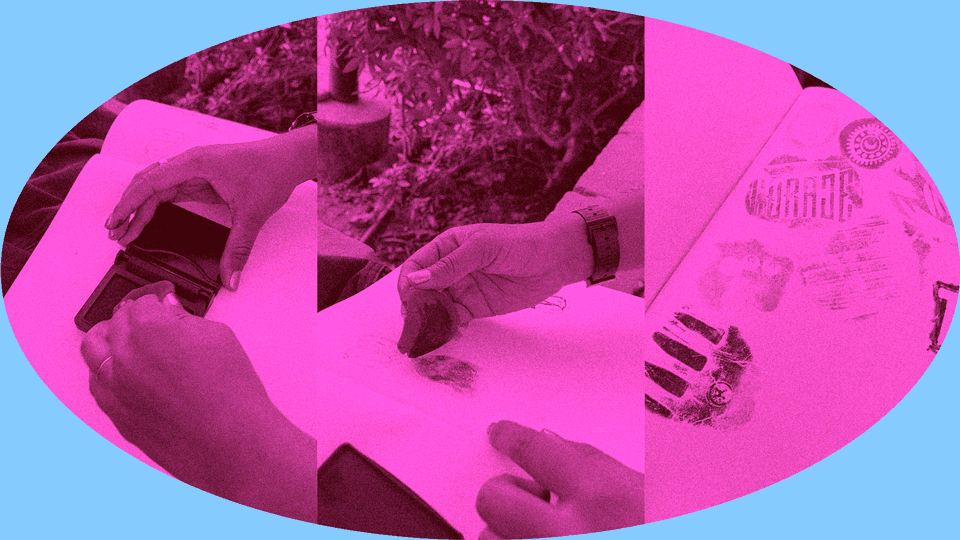
This year, I discovered an activity that beautifully supports this idea: texture hunting. It’s a simple practice, but one that encourages you to be fully present. As you wander through familiar streets, you start paying attention to surfaces—brick walls, tree bark, metal grates, worn tiles, anything that catches your eye. It becomes a small adventure, one that invites you to move slowly, kneel down, touch things, and get your hands a little dirty.
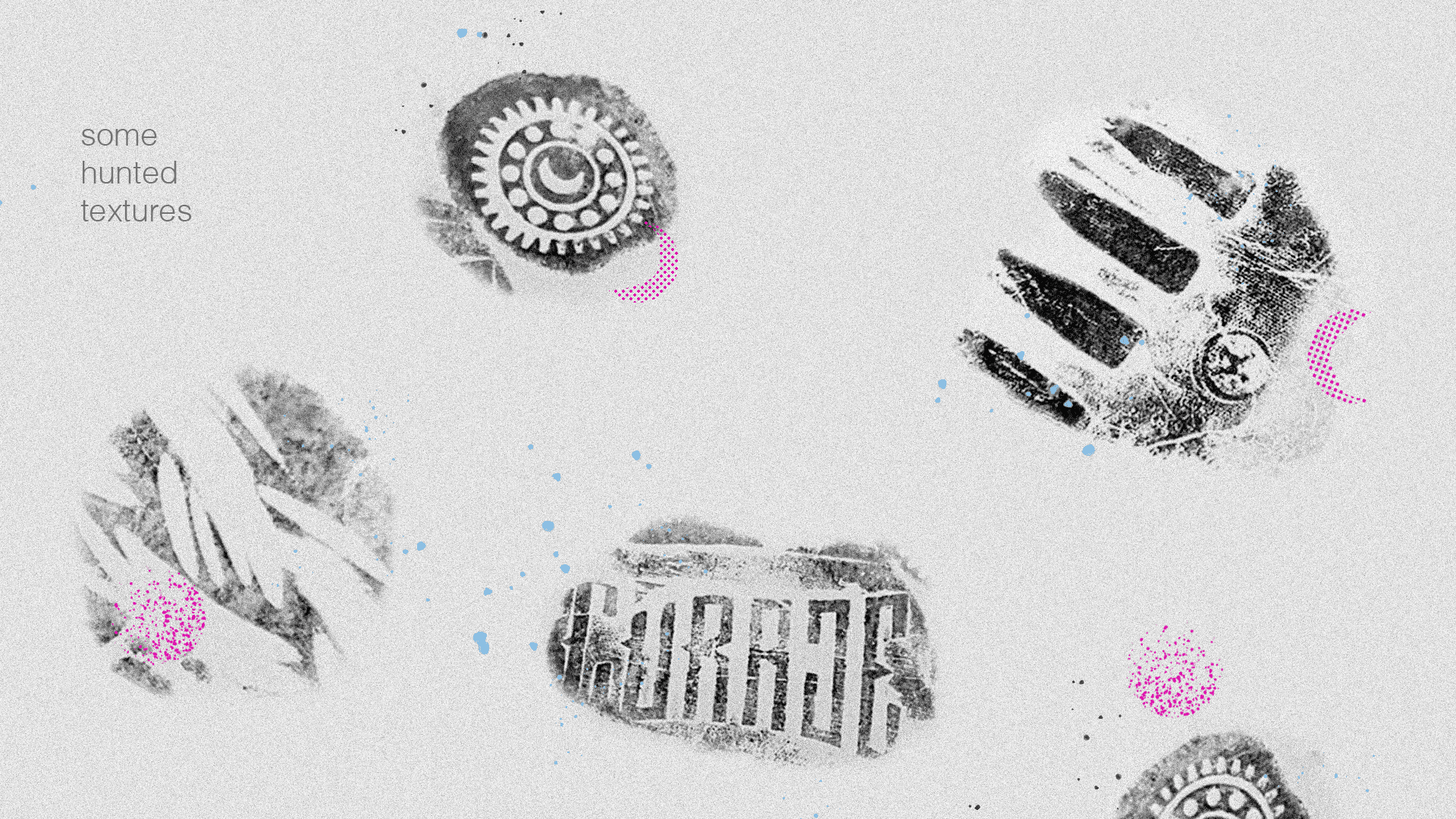
Texture hunting is especially helpful on days when inspiration feels out of reach. When you want to create but don’t know where to begin, the textures become your starting point. The imprint on paper is always a surprise—organic, imperfect, and expressive—often in contrast with the rigid, structured object it came from. That contrast is part of the magic.
The tools are minimal and portable: a soft material to press onto surfaces, like modeling clay or a kneadable eraser; an ink pad; and a small notebook where you can stamp everything you collect. With this tiny kit, everyday places transform into a playground for experimentation.
Once you’ve gathered your textures, the creative possibilities open up. They can become the basis for a poster, the foundation for a repeating pattern, or the starting shape for a character. You can also keep things analog and assemble a collage of all the textures, letting them interact in unexpected ways. There’s no right or wrong approach—just exploration.
Some great places to look for textures include cemeteries, old architectural neighborhoods, parks, and even your own home. Every space holds patterns and shapes that usually go unnoticed until you intentionally go searching for them.
And that’s the beauty of the practice: by the end of the day, you’ve given yourself a pocket of time to step away from your usual thoughts and immerse yourself in something playful and curious. You’ve moved, observed, touched, experimented—and in doing so, you’ve trained your eyes to see your surroundings from a fresh angle. Sometimes, that small shift is all you need to feel creative again.
Share This Article